
The Golden Ratio (phi) will always govern the design of a personal temple’s geometry. We will draw upon inspiration, precedent, and intuition to fill the gaps.
A local celestial dance of mathematics is a fascinating spectacle, describing the ratio between the Earth, its moon, and the sun as they relate to the length of a year, measured by the complete transit of our planet and moon around the sun. This ratio, as hypothesized by megalithic researcher and engineering professor Alexander Thom, can be distilled down to a value of 2.72. He applied it to the surveyed dimensions of 145 ancient stone circles, finding that a whole unit of 2.72 feet can divide the circles into nearly whole-number values. This is one method to quantify magical dimensions that will yield surprising results.
What measurements exactly shall the temple be? Starting with the megalithic yard (2.72 feet) is a good base point. Paying homage to the golden rectangle will also deliver fantastic results. Mimicking beautiful natural proportions or man-made structures is another solid jumping-off point to explore magic measurement. This term describes the process of quantifying and applying these magical dimensions to yield synchronistic results. The size of a physical temple is influenced by any number of factors that may be important to the temple’s primary user (or users).
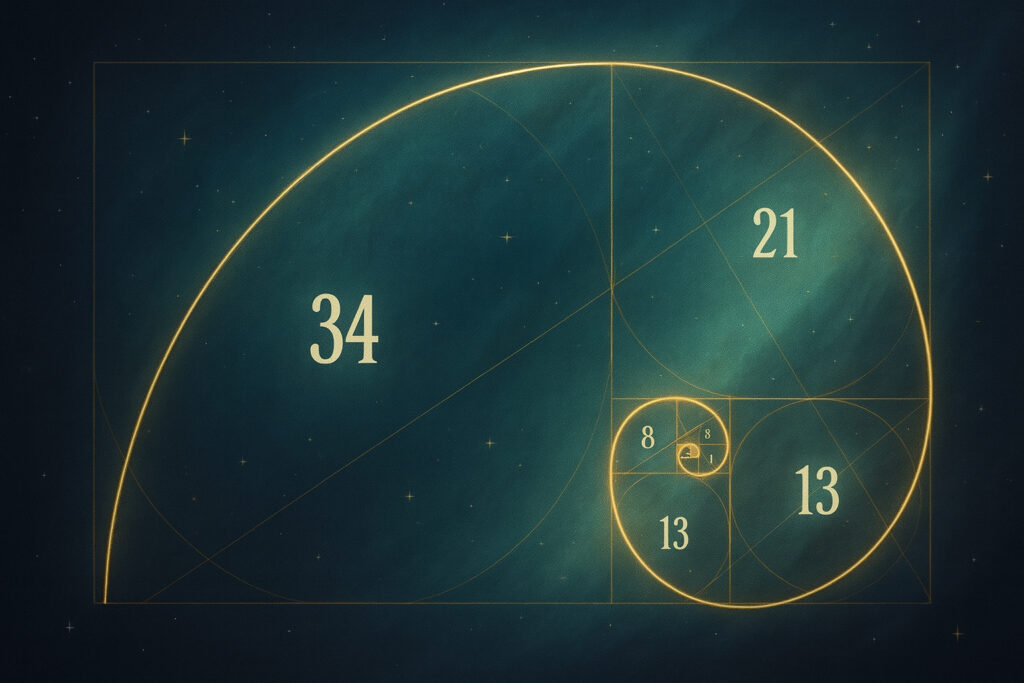
Several practical steps can be taken to incorporate the Golden Ratio and the Golden Rectangle into a temple’s design. The Golden Ratio, approximately 1.618, is a mathematical proportion found in many natural forms and has been used for centuries to create aesthetic harmony in art and architecture. To apply this principle, the dimensions of key elements—such as rooflines, windows, and the overall size of the temple—should be calculated according to this ratio. The Golden Ratio (phi) will always govern the design of a temple’s geometry. We will draw upon inspiration, precedent, and intuition to fill the gaps.
Drawing inspiration from ancient temples can provide valuable insights when designing a personal temple for maximum spiritual significance. Throughout history, sacred structures have been carefully crafted to align with spiritual beliefs and natural forces, creating environments conducive to meditation, worship, and personal growth. By incorporating specific design elements from ancient temples, modern designers and temple users can enhance the spiritual potency of their creations.
In determining if your temple will be a place of solitude or a gathering place, we will explore solutions of size and volume. The proper size will reveal itself in due course as we collaborate through the design process. Is there a particular tradition you resonate with that can be recreated by studying temples built in antiquity? Is there a spiritual goal you have that can be enhanced by incorporating numerology or the shapes of specific platonic solids that benefit your transformation? Have you had a dream or waking vision that is trying to inform this decision? Your input is crucial in this collaborative journey of temple creation.

To enhance the design of the temple, it is essential to identify and measure local Telluric Currents. These natural electromagnetic forces flow beneath the Earth’s surface and are believed to influence the energy in a given area. By understanding and working with these currents, we can create a temple that is in harmony with the Earth’s natural energies. Traditional methods, such as dowsing rods, can be used by skilled practitioners to detect these currents. Additionally, modern techniques like Ground Penetrating Radar (GPR) and electromagnetic field (EMF) detectors can aid in identifying underground water sources and energy pathways.
Mapping telluric currents can help determine the optimal placement of the temple on the land, enhancing its energy resonance and spiritual effectiveness. For instance, positioning the altar or sacred space at the convergence of these currents can amplify the temple’s transformative properties, creating a profound environment for rituals and contemplative practices.
It is said that imitation is the sincerest form of flattery. The temple will pay homage to nature by mimicking dimensions found in local formations, which will serve to amplify the elemental vibes present at your location to enhance altered states of consciousness. Local lines of telluric current, the flow of underground water, and the makeup of the soil will all influence the power and dimensions of the temple.
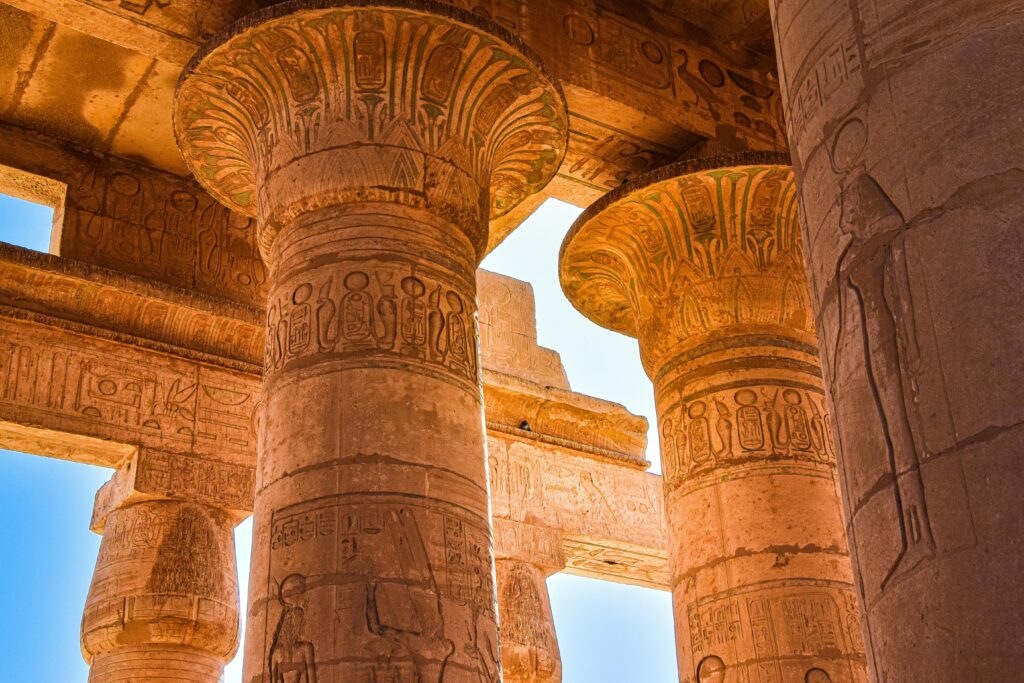
One of the most impactful elements of design is Position and Direction. Many ancient temples, such as the Parthenon in Athens and the Temple of Karnak in Egypt, were oriented towards celestial bodies, aligning with the sun, moon, or specific stars during significant seasonal events. This orientation creates a profound connection between the earthly realm and the cosmos, fostering a deep sense of unity during worship. When designing a personal temple, choosing an orientation based on the site’s geographical and astronomical characteristics is a significant decision that can greatly enhance the spiritual experience for the temple’s owner.
An important aspect to consider is the use of Sacred Geometry. Incorporating shapes such as circles, squares, and triangles—found in various ancient structures—can evoke specific energies and symbolism. For example, the circle represents eternity and unity, while the square symbolizes stability and grounding. Modern designers can creatively integrate these shapes into the layout and design elements of the temple, including the floor plan, exteriors, and openings to inspire a sense of harmony and balance.
In addition, using materials and textures found in ancient temples, such as natural stone and wood, can enhance the spiritual atmosphere of a personal temple. These materials not only connect us to the Earth but also possess qualities that promote tranquility and reflection. Incorporating locally sourced materials helps create a sense of place, connecting the temple to its environment.
While it is challenging to quantify existent magic, the results will be off the charts if the temple is done well. Integrating ancient design elements into your personal temple design can significantly enhance its spiritual purpose. Designers and owners can create harmonious spaces by considering orientation, sacred geometry, and the use of natural materials, along with mathematical principles like the Golden Ratio. These ancient design elements could include Water, the Golden Ratio Code, or Mooring the Currents. The transformative power of a well-designed temple is truly inspiring.