
Call in the flow of energy for your personal temple. As your temple comes online, the newly created sacred space shifts and creates a portal of energy to work with. Carefully selected stones hold the flow in place.
Imagine the awe-inspiring sight of an ancient temple carefully designed to attract and hold telluric currents in its inner sanctums. These low-frequency electromagnetic rivers, flowing across the surface of the Earth and its waters, are a natural result of the Earth’s rotation and magnetic field interacting with solar winds. Ancient traditions, from the Far East to the Celtic lands, have described these flows of Earth’s energies in different ways. In the Far Eastern tradition of feng shui, energetic flows were called dragon lines. Half a world away, the Celts and their Druids used the same concept to denote ley lines that criss-crossed sacred stone circles, holy wells and ancestral monuments. In what is today called Ireland, the Gaelic people referred to these currents as fairy paths.
The architects of ancient temples were not just builders but also energy manipulators. They designed these structures to attract and hold telluric currents in their inner sanctums. They understood that this energy had the power to amplify the Intentions of the initiates. By creating a portal where the veil is thin, they made it easier to influence one’s reality. These ancient temple sites were strategically located at the intersection of at least two lines of telluric current, a testament to the builders’ deep understanding of these natural energies.
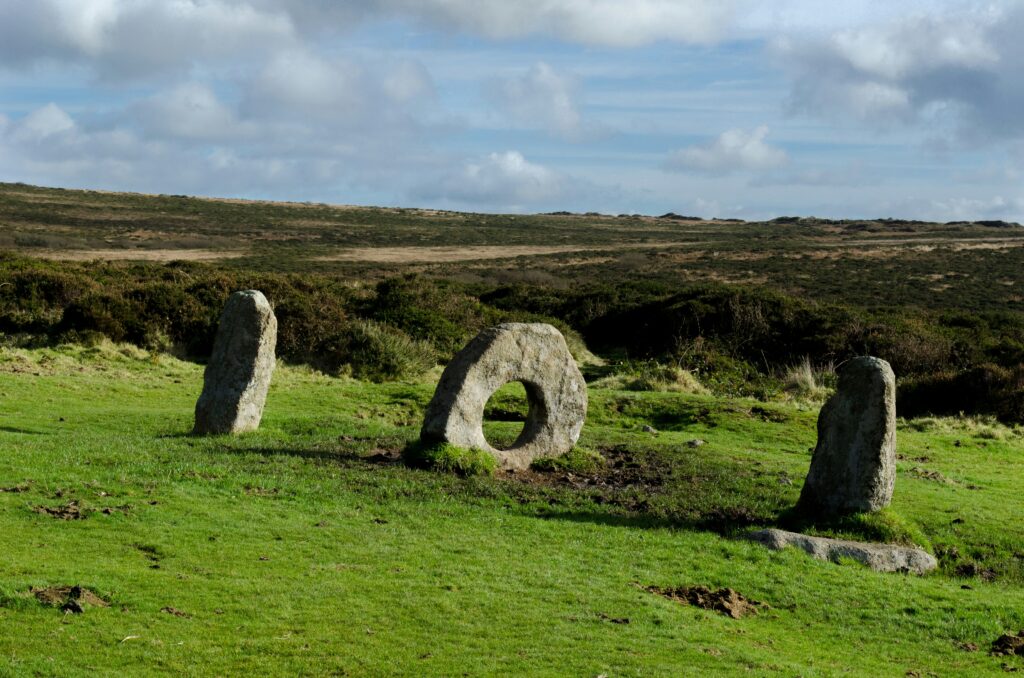
In order for holy sites and temples to maintain their potency, practitioners of the sacred arts needed to coerce the dragon lines to remain flowing through the spiritual locales. Sometimes, a stone already in a natural power spot would suffice to keep the flows local. When a temple was constructed by the hands of people, they would mimic the natural solutions to add that extra something to a place. Often, this could be performed by placing monolithic or megalithic stone structures within the temple areas. Stone circles, megalithic constructions, or paved walkways could all be used to achieve this end.
What benefits does anchoring the currents bring to the temple? One of the most significant benefits is the creation of a portal that allows a practitioner access to conditions most conducive for personal growth work, manifestation and oneness integration.
How did ancient builders manage to attract Telluric Currents to their temple sites? They employed a range of practical steps based on their understanding of the Earth’s natural energies. These techniques facilitated energy flow and enhanced the spiritual significance of these sacred spaces. Here are some key practices that ancient temple builders implemented to attract and anchor telluric currents:
- Site Selection: The first step in constructing a temple was carefully selecting its location. Ancient builders often chose sites based on their natural topography, which was believed to interact favorably with telluric currents. They sought areas where two or more lines of telluric energy intersected, as these intersections created powerful energy nodes or portals. Mountains, hills, and water sources such as rivers and springs were commonly identified as potential temple sites because they were thought to contain high concentrations of energy.

- The Golden Ratio Code: One of the most intriguing aspects of ancient temple construction is the intentional use of sacred geometry. This played a significant role in the design and layout of these temples. Builders used specific geometric shapes and proportions that resonated with the Earth’s natural energies. The use of circles, squares, and triangles in temple design was intentional; these shapes were believed to enhance energy flow and create harmonious vibrations. For example, a circular layout could generate a more potent energy field, allowing worshippers to connect with the currents more effectively.
- Material Choices: The selection of construction materials was crucial. Ancient builders often used local stones known for their vibrational properties, such as granite, dolomite, and limestone. These stones possessed unique energetic qualities that could attract and anchor telluric currents. In some cases, temple builders transported stones from distant locations that resonated with specific energies to enhance the temple’s potency.
- Position and Direction: The orientation of the temple structure was meticulously planned to align with celestial bodies, such as the sun, moon, and stars. Many ancient temples were oriented toward the rising or setting sun during specific solstices or equinoxes. This alignment was not merely aesthetic but also a way to tap into nature’s energetic flows. The energy from these celestial events was believed to enhance the temple’s ability to channel telluric currents effectively, amplifying resonance and creating a more powerful spiritual experience for practitioners.
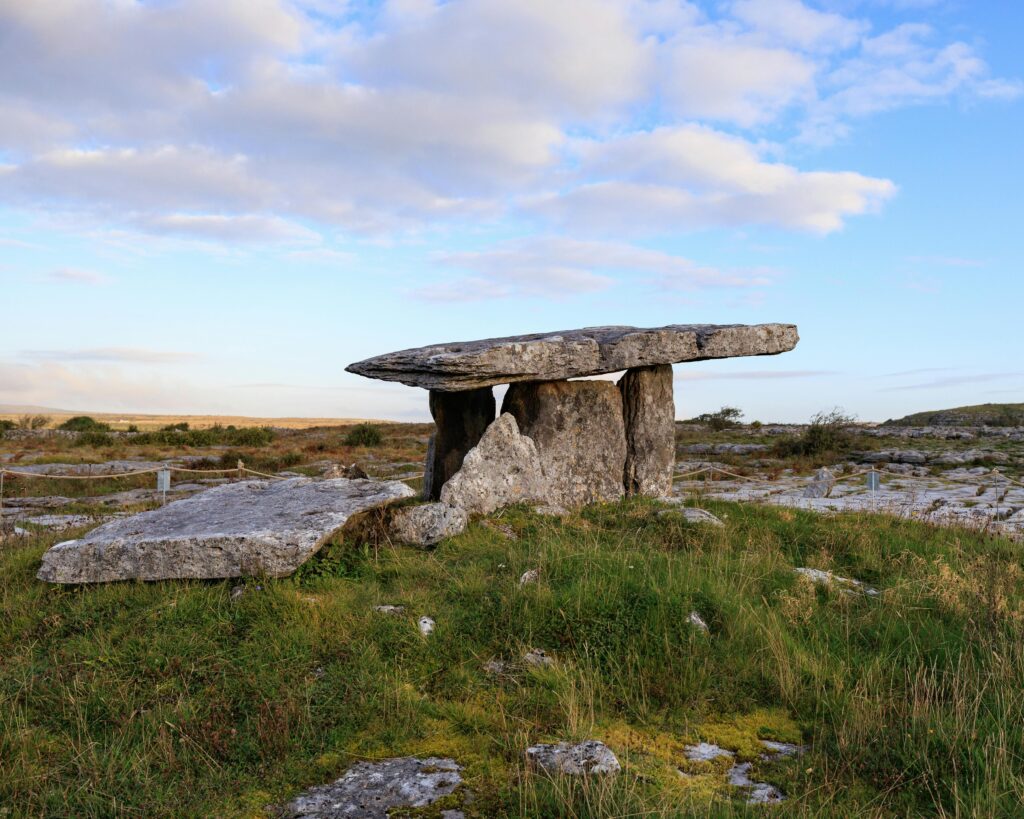
- Placement of Monoliths and Megaliths: Megalithic structures, such as standing stones and stone circles, were strategically placed within sacred sites to anchor telluric currents. These large stone formations acted as conduits for energy flow, stabilizing and enhancing the currents in the area. Builders positioned these stones at key intersections where telluric lines converged, creating focal points of energy within the temple complex. The precise placement of these stones significantly influenced the overall energy dynamics of the site.
- Landscaping and Earthworks: Ancient builders modified the landscape to facilitate energy flow. They constructed earthworks, such as mounds and raised platforms, to alter the natural topography to enhance telluric currents. Creating terraces and pathways leading to the temple served practical and spiritual purposes, guiding visitors along a path of energy as they approached the sacred space.
- Ceremonial Practices: Once established, these temples hosted rituals and ceremonies aimed at harnessing and directing the telluric currents. Practitioners engaged in chanting, drumming, and other forms of sound vibration, which were believed to resonate with the Earth’s frequencies and amplify the energetic flows. This ongoing interaction with telluric currents reinforced their presence within the temple and maintained the site’s sacredness over time. By combining these practical steps, ancient temple builders created spaces that were architecturally significant and potent energy centers. Their understanding of telluric currents and how to interact with them has left a lasting legacy, inspiring modern practitioners to explore similar approaches in their spiritual and healing practices.
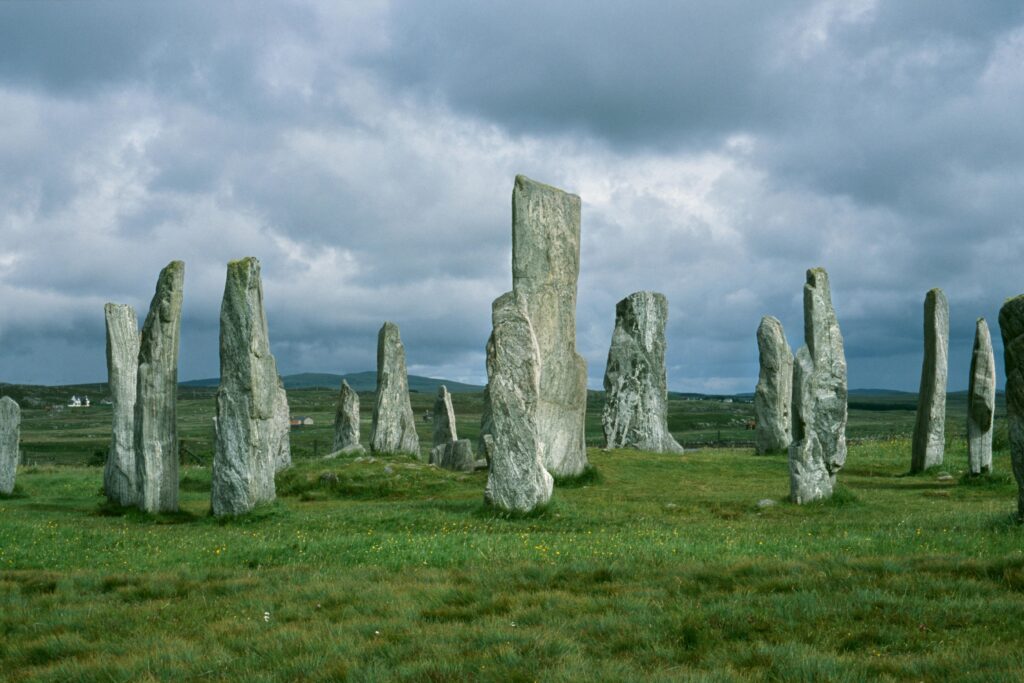
Think of places like the Callanish stone circle in remote Scotland, the Temple of the Sun in Ollantaytambo, Peru and the North Caucasus dolmens in the area of the Black Sea. These sacred monuments were not just built with stone but with specific types of stone that could anchor telluric currents to the temple sites. The constant presence of these flows allowed portals to open at these places where the veil is thin. Ancient practitioners would find their workings enhanced in these conditions, demonstrating the practical application of their time-tested practices.
Supercharge your own temple by building it at an energetic crossroads. Or call in the energetic flows with intention and stone structures. Taking a cue from the masters who preceded us, we can recreate the same conditions in a personal temple conjured for your spiritual growth.